Introduction
For over a century, orthodox oncology viewed solid tumors through a cell-autonomous lens: somatic mutations accumulate in proto-oncogenes and tumor suppressors, culminating in unrestrained cellular proliferation. Tumors were broadly presumed to be sterile tissue compartments, save for classic infectious etiologies such as Helicobacter pylori in gastric adenocarcinoma or Human Papillomavirus (HPV) in cervical malignancy.
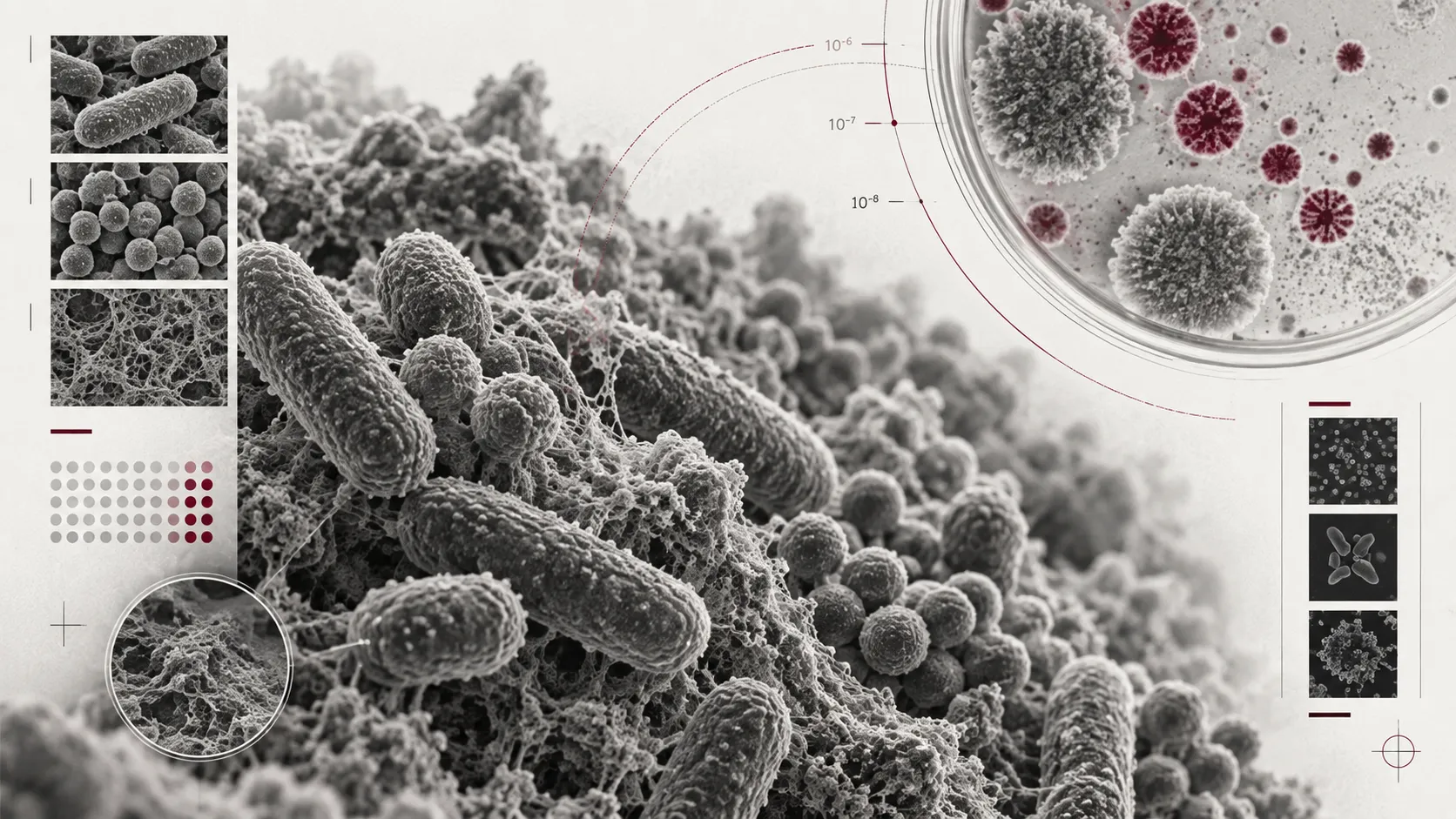
Over the past decade, high-throughput metagenomic sequencing and ultra-clean histology have fundamentally overturned this assumption. Solid malignancies—including breast, lung, pancreatic, and colorectal carcinomas—harbor distinct, metabolically active intratumoral microbiomes. These bacteria are not merely superficial surface colonizers; they dwell intracellularly within both neoplastic and immune cells, shaping tumor progression, metastatic tropism, and therapeutic response.
The Intratumoral Niche
Why do bacteria seek residency within malignant tissue? Solid tumors provide a uniquely hospitable microenvironment for opportunistic microbes:
- Leaky, Disorganized Vasculature: Abnormal tumor neo-angiogenesis with defective endothelial junctions allows circulating bacteria from mucosal surfaces or oral microbiota to extravasate into tumor parenchyma.
- Abundant Nutrient Supply: Necrotic cores and rapid metabolic turnover generate rich pools of amino acids, carbohydrates, and nucleosides.
- Local Immunosuppression: High concentrations of TGF-, regulatory T cells (), and myeloid-derived suppressor cells (MDSCs) impair immune surveillance, creating a sanctuary where bacteria evade physiological clearance.
A landmark study across 1,526 tumor samples demonstrated that each tumor type possesses a distinctive microbial signature: breast cancers harbor predominantly intracellular Proteobacteria and Actinobacteria, whereas pancreatic tumors are enriched in taxa capable of thriving under hypoxic, desmoplastic conditions.
Mechanisms of Microbial Action
The presence of intratumoral bacteria is far from inert. Microbes actively rewire host signaling pathways through diverse molecular mechanisms:
1. Direct Oncogenic Signaling: Fusobacterium nucleatum
In colorectal adenocarcinoma (CRC), F. nucleatum utilizes its surface adhesin FadA to bind host E-cadherin on epithelial cells. This interaction triggers phosphorylation and nuclear translocation of -catenin, accelerating transcription of Wnt target oncogenes (MYC, CCND1) and driving cell proliferation.
2. Immune Evasion via TIGIT
Concurrently, another F. nucleatum adhesin, Fap2, binds directly to the human inhibitory receptor TIGIT expressed on natural killer (NK) cells and cytotoxic T lymphocytes. By engaging TIGIT, the bacterium inhibits host antitumor immune responses, effectively shielding the tumor from immune-mediated destruction.
Drug Inactivation & Gemcitabine
One of the most clinically alarming discoveries in cancer microbiology is the capacity of intratumoral bacteria to confer resistance to standard-of-care chemotherapy.
In pancreatic ductal adenocarcinoma (PDAC), gemcitabine (2’,2’-difluorodeoxycytidine) is a frontline nucleoside analog that induces DNA replication arrest. However, deep sequencing revealed that up to 76% of pancreatic tumors harbor Gammaproteobacteria.
These bacteria express a long bacterial isoform of the enzyme cytidine deaminase (). When gemcitabine diffuses into the tumor bed, bacterial rapidly hydrolyzes gemcitabine into its inactive deaminated metabolite, 2’,2’-difluorodeoxyuridine (), neutralizing chemotherapeutic efficacy. In preclinical murine models, co-administration of gemcitabine with the broad-spectrum antibiotic ciprofloxacin eliminated bacterial activity and restored tumor sensitivity to chemotherapy.
The Metagenomic Dilemma: Kitome vs Signal
Profiling the intratumoral microbiome presents immense bioinformatic and technical hurdles due to low biomass. In solid tumors, human host DNA accounts for over 99.9% of sequencing reads, with microbial reads representing less than 0.1%.
Under such low-biomass regimes, environmental contamination—from DNA extraction kits, laboratory plasticware, and sequencing reagents (the so-called kitome and splashome)—can entirely drown out the biological signal.
# Conceptual decontamination logic implemented in microbiome pipelines
def decontaminate_taxa(sample_counts, blank_counts, threshold_ratio=5.0):
    """
    Filter taxa whose abundance in biological samples does not significantly
    exceed background prevalence in negative control extraction blanks.
    """
    valid_taxa = {}
    for taxon, count in sample_counts.items():
        blank_level = blank_counts.get(taxon, 0.0)
        # Enforce stringent enrichment relative to reagent blanks
        if count >= (blank_level * threshold_ratio) and count > 10:
            valid_taxa[taxon] = count
    return valid_taxa
Robust computational workflows require rigorous integration of:
- Serial dilution controls and blank extraction libraries.
- Statistical frequency-versus-concentration modeling (e.g., the
decontamalgorithm). - Stringent k-mer decontamination to remove host-derived false-positive matches before taxonomic assignment.
Therapeutic Implications
Deciphering the tumor-microbiome axis opens novel therapeutic avenues:
- Predictive Biomarkers: Specific intratumoral and gut microbial taxa correlate strongly with clinical response to immune checkpoint blockade (anti-PD-1 / anti-CTLA-4).
- Engineered Bacterial Vectors: Attenuated, tumor-homing strains (Salmonella typhimurium, Listeria monocytogenes) can be bioengineered to selectively deliver prodrug-activating enzymes, immunocytokines, or checkpoint-blocking nanobodies directly into hypoxic tumor niches.
- Fecal Microbiota Transplantation (FMT): Clinical trials demonstrate that gut microbiome reprogramming via FMT from immunotherapy responders can overcome secondary resistance in melanoma patients.
Key Takeaways
- Ecological Oncology: Solid tumors must be analyzed as polymicrobial ecosystems rather than isolated clones of mammalian cells.
- Microbial Chemoresistance: Bacterial enzymes such as cytidine deaminase () actively inactivate frontline chemotherapeutics within the tumor microenvironment.
- Rigorous Metagenomics: Computational pipelines must rigorously filter reagent-derived background (kitome) when analyzing ultra-low-biomass clinical specimens.
Further Reading
- Nejman et al. The human tumor microbiome is composed of tumor type–specific intracellular bacteria. Science (2020).
- Geller et al. Potential role of intratumor bacteria in mediating tumor resistance to the chemotherapeutic drug gemcitabine. Science (2017).
- Bullman et al. Analysis of Fusobacterium persistence and antibiotic response in colorectal cancer. Science (2017).